
What This Guide Covers — and Who It’s For
GPS tracking is no longer just a tool for large logistics companies. Today, fleet managers overseeing dozens of vehicles, small business owners monitoring a handful of service vans, parents keeping tabs on a teenage driver, and individuals protecting a single car or valuable asset can all benefit from it. This guide is written for anyone who wants to understand where GPS tracking technology stands now, where it is heading, and how to choose the right solution for their situation — without wading through jargon or sales pitches.
Whether you are exploring fleet tracking for the first time or looking to upgrade an existing setup, this guide walks through how the technology works, what types of devices exist, what to look for, how much it realistically costs, and the mistakes that catch buyers off guard.
—
How GPS Tracking Works
At its core, GPS tracking relies on three layers working together.
The satellites. A network of satellites orbiting the Earth continuously broadcasts timing signals. A GPS receiver on the tracking device picks up signals from multiple satellites simultaneously and uses the differences in arrival times to calculate its precise location — a process called trilateration. The receiver itself does not transmit anything to the satellites; it only listens.
The tracking device and cellular network. Once the device knows its location, it needs a way to send that information somewhere useful. Most modern trackers contain a cellular modem (similar to the one in a smartphone) that transmits location data over a mobile network to a remote server. This is why coverage matters: if a vehicle or asset is in a dead zone, updates stop until signal is restored.
The platform and app. The server processes incoming data and makes it available through a web dashboard and mobile app, where you can view a live map, replay past routes, set up geofences, and generate reports. Update frequency — how often the device checks in — typically falls between every 30 and 60 seconds. Some real-time plans push updates as fast as approximately every 10 seconds, which is useful for active theft recovery or high-value deliveries, though faster refresh generally comes at a higher subscription cost.
—
Types of GPS Trackers
Choosing the right form factor is often the most important early decision. The three main categories differ in how they are powered, how they are installed, and what they track best.
| Tracker Type | Installation | Power Source | Best For |
|---|---|---|---|
| OBD-II plug-in | Seconds, no tools | Vehicle’s OBD port | Personal cars, small fleets, quick deployment |
| Hardwired | 15–30 minutes, wired in | Vehicle’s electrical system | Commercial fleets, company vehicles, tamper resistance |
| Battery-powered beacon | No wiring, adhesive or magnet | Internal rechargeable or long-life battery | Trailers, equipment, tools, assets without power |
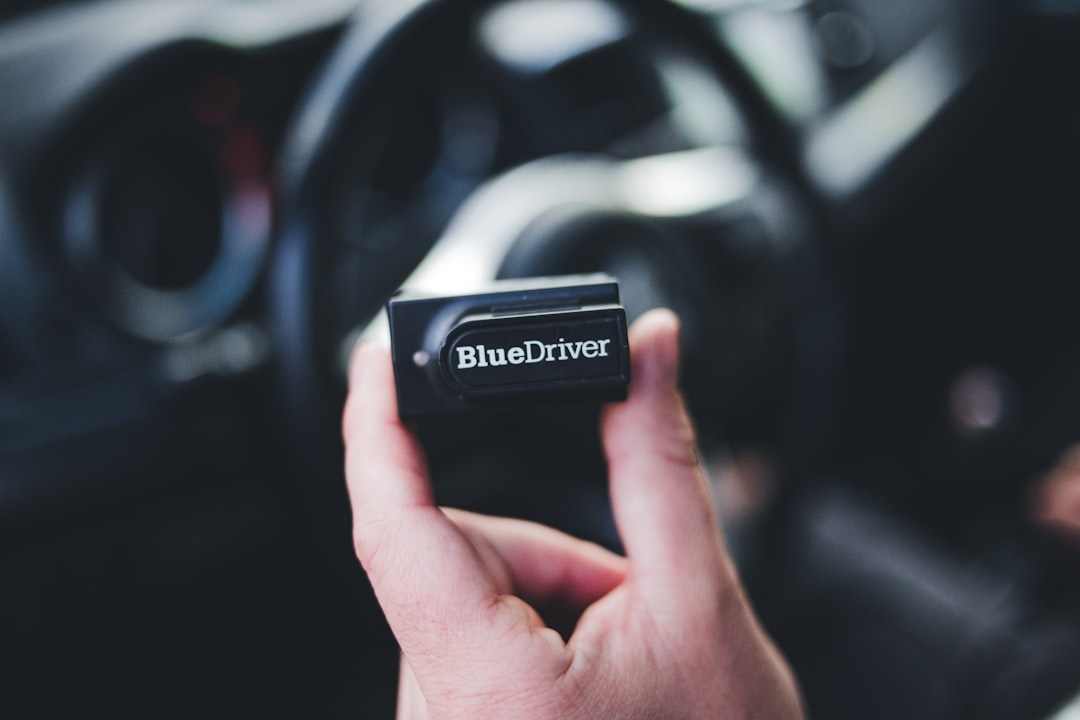
OBD-II plug-ins slip into the diagnostics port found under the dashboard of most vehicles made in the mid-1990s or later. They draw power from the vehicle and often add engine diagnostics on top of location tracking. The trade-off is visibility — anyone who knows where to look can unplug them.
Hardwired units are concealed inside the vehicle and connected directly to the electrical system, making them harder to detect and remove. They are the standard choice for commercial fleets and company vehicles where tamper resistance matters.
Battery-powered beacons have no wiring requirement at all. They can be magnetically attached to a trailer frame, bolted to a piece of construction equipment, or placed inside a shipping container. Many carry IP67 or higher weatherproofing ratings and can run for months or even years on a single charge, depending on the reporting frequency. These are the go-to option for asset tracking and GPS for equipment and tools.
—
What to Look For
Not every tracker is built for every job. Here are the factors worth comparing before you buy.
Update frequency. For active fleet management or theft recovery, faster updates (every 10–30 seconds) give you a clearer picture. For low-movement assets like parked trailers, 60-second or even less frequent updates conserve battery and reduce subscription costs.
Subscription cost and contract terms. Most trackers require an ongoing data plan. Check whether the plan is month-to-month or tied to an annual or multi-year contract, and what happens if you need to cancel early. For a full breakdown, see GPS tracker subscriptions explained.
Battery life or power source. Battery-powered trackers with long standby modes are ideal for assets that move infrequently. Hardwired and OBD-II units are always on as long as the vehicle has power, though many can detect when the ignition is off and reduce reporting to preserve the vehicle’s battery.
Alerts and geofences. The most useful everyday features are often geofence entry/exit alerts, speed alerts, and tamper notifications. Make sure the platform delivers these by push notification, SMS, or email in a way that fits your workflow.
Reporting and analytics. Trip history and playback, mileage summaries, idle-time reports, and driver-behavior scoring are standard on fleet platforms. Personal trackers may offer only basic location history.
Coverage. Cheaper plans often rely on a single domestic carrier. If assets travel across borders or into rural areas, look for multi-carrier or international SIM options.
Installation. Consider who will install the units and whether professional installation is needed. OBD-II is truly plug-and-play; hardwired may require a technician for larger fleets.
App quality. A tracker is only as useful as the interface you use to check it. Look for apps with strong reviews, offline map caching, and reliable push notifications.
—
How Much Does GPS Tracking Cost?
Pricing has two distinct parts: the hardware you buy once and the subscription you pay ongoing. Mixing these up is a common source of sticker shock.
| Use Case | Hardware (one-time) | Subscription (per device/month) | Contract Typical? |
|---|---|---|---|
| Personal / single vehicle | Low-to-mid double digits to around $100 | Single to low double digits | Often no-contract |
| Small fleet (2–20 vehicles) | Similar per unit, volume discounts vary | Low-to-mid double digits | Annual common |
| Enterprise fleet | Hardware varies; some providers bundle it | Mid-to-high double digits; custom pricing | Multi-year contracts typical |
| Asset / equipment beacon | Mid-double digits to higher for rugged units | Single to low double digits | Varies |
Personal and single-vehicle plans are the most affordable entry point, often with no long-term commitment. Small-fleet plans add features like driver scoring, maintenance scheduling, and IFTA reporting, and frequently require an annual contract. Enterprise solutions often bundle in AI dashcams, ELD compliance tools, advanced analytics, and dedicated support — at correspondingly higher per-vehicle costs and with custom contract terms.
Hardware is sometimes subsidized when you commit to a longer subscription, so the upfront price can appear deceptively low. Always calculate the total cost of ownership over 12 or 24 months.
—
Common Mistakes to Avoid
Buying on price alone. The cheapest hardware often comes with slow update rates, limited coverage, or a platform that is difficult to use. A tracker that does not work reliably in your operating area is not a bargain at any price.
Ignoring contract terms. Some providers lock you into multi-year agreements with early-termination fees. Read the fine print on auto-renewals and cancellation policies before signing.
Overlooking coverage. A tracker on a network that does not serve your region will drop offline precisely when you need it most. If your vehicles or assets operate in rural areas or cross international borders, verify carrier coverage before purchasing.
Confusing update frequency with accuracy. A tracker updating every 60 seconds is not necessarily less accurate in its reported location — it simply has fewer data points along the route. For most use cases, 30–60 second updates are sufficient. For active theft recovery, faster is better.
Skipping the platform demo. Hardware specs can look identical on paper while the software experience varies enormously. Most providers offer a trial or demo — use it.
—
How to Choose the Right Tracker
Matching the tracker to your actual use case is the single most useful thing you can do. Here is a simple decision path.
Start with what you are tracking. A single personal vehicle, a small fleet of service vans, unmanned equipment on a job site, a pet, and a child or elderly family member each call for a different device type and platform. Personal tracking, pet trackers, and GPS for kids and seniors are genuinely different product categories from commercial fleet tools.
Then match the device type. Vehicles almost always work best with an OBD-II or hardwired unit. Assets and equipment without power need battery-powered beacons — ideally with rugged, weatherproof construction. People and pets need compact, lightweight wearable or collar-mounted options.
Compare subscriptions side by side. Once you have narrowed the device type, line up the subscription costs, contract terms, update frequency, and platform features of two or three finalists. The fleet management solutions hub and the GPS trackers for vehicles hub both offer structured comparisons across providers.
Account for compliance needs. If you operate commercial vehicles subject to FMCSA regulations, you may need a certified ELD to log Hours of Service (HOS) and support DVIR and IFTA reporting. GPS telematics can support these requirements, but the specifics depend on your operation — always verify current rules at FMCSA.dot.gov.
Think about where the technology is heading. Emerging developments in GPS tracking include tighter integration with AI-powered dashcams that can detect distracted driving and forward-collision events in real time; edge computing that processes data on the device rather than relying entirely on cloud servers; ultra-wideband (UWB) positioning for high-precision indoor and yard tracking; and broader multi-constellation satellite support (GPS, GLONASS, Galileo, BeiDou) that improves fix reliability in challenging environments. Subscription platforms are also evolving toward predictive maintenance alerts driven by engine diagnostics and historical patterns. None of these eliminate the fundamental limits of cellular coverage or satellite geometry, but they meaningfully expand what tracking can tell you and how fast it can act on that information.
—
FAQ
What does “real-time” GPS tracking actually mean?
Real-time tracking refers to updates delivered with minimal delay, typically as fast as approximately every 10 seconds on plans that support it. Most standard subscriptions update every 30 to 60 seconds, which is sufficient for the majority of fleet and personal use cases. Faster refresh rates generally cost more and consume more device power.
Do I need professional installation?
OBD-II plug-in trackers require no tools and take seconds. Battery-powered beacons can usually be self-installed with a magnet or basic hardware. Hardwired units should be installed by someone comfortable with vehicle electrical systems — many providers have installation networks, or the work can be done at an auto shop.
Is GPS tracking legal?
In the United States, tracking a vehicle you own or have a legal right to monitor is generally lawful. Tracking another person’s vehicle or a person without their knowledge raises serious legal and ethical concerns. Laws vary by state and context — if you are unsure whether your intended use is permitted, consult a legal professional and check applicable state statutes.
Will a GPS tracker work in rural areas or internationally?
Coverage depends on the cellular network the device uses. Domestic-only plans may have gaps in rural or remote areas. Some providers offer multi-carrier SIMs or global coverage spanning 190 or more countries. Always check coverage maps for your specific operating region before purchasing.
What is the difference between asset tracking and fleet tracking?
Fleet tracking focuses on vehicles — location, driver behavior, fuel consumption, maintenance, and compliance. Asset tracking covers equipment, trailers, tools, and other valuable property that may not have its own power source. The two overlap in some platforms, but the device types and reporting priorities differ. See asset tracking and fleet tracking for a detailed comparison.
Do GPS trackers drain my vehicle’s battery?
Hardwired and OBD-II units draw a small amount of power, and most are designed to detect when the vehicle ignition is off and reduce their reporting rate or enter a low-power sleep mode to avoid draining the battery. Battery-powered beacons are self-contained and have no impact on the vehicle.
—
Finding the Right Fit Without the Guesswork
GPS tracking has matured into a remarkably accessible technology, but the range of devices, platforms, subscription structures, and emerging capabilities can make choosing feel overwhelming. The honest truth is that no single tracker is best for everyone — the right choice depends on what you are tracking, where, how often you need updates, and what your budget looks like over the full contract period.
GeoTracking.com is an independent, reader-supported comparison resource covering fleet, asset, vehicle, pet, and personal tracking. It compares 50-plus trackers across pricing, performance, usability, and fit by use case. Affiliate links are always disclosed, and rankings reflect fit — not commissions or pay-for-placement.
Tell the site what you want to track — a vehicle fleet, a single car, equipment and assets, a pet, or a person — and it matches you to the trackers and platforms that fit, with current pricing and the trade-offs laid out plainly. Use Get Started to find your match in about 60 seconds, free and with no sales calls.
